 Service clients
 Livechat
 Whatsapp
 Téléphone
 RDV
RDV E-mail
The benefits of recycled gold: a responsible choice
What is recycled gold?
Yellow gold has always inspired fascination. A symbol of beauty and wealth, it holds an essential place in the history of fine jewelry. Its warm and luminous tone, resistance to oxidation, and natural malleability make it an ideal material for artisans crafting exceptional rings, bracelets, necklaces, and wedding bands. When alloyed with copper or silver, this precious metal combines brilliance with strength.
Yet behind this timeless nobility lies another reality. Gold extraction carries significant environmental and human consequences. Deforestation, soil and water pollution, extensive use of chemical substances, human rights concerns, and unsafe working conditions in certain mines all raise important questions in a world where every choice matters.
Rather than endlessly drawing from the planet’s resources, at Mazarin we have chosen to give new life to gold that has already been extracted. Our creations are crafted exclusively in 18 carat recycled gold because there is already sufficient gold in circulation to meet the needs of contemporary jewelry. This decision reflects responsibility, but also the opportunity to reconcile craftsmanship with respect for natural resources.
The Origin of Recycled Gold
What is recycled gold? It comes from objects that have already lived a first life. Former jewelry, workshop gold scraps, electronic components, and industrial remnants all serve as sources. These materials allow gold that has already been extracted to be recovered, avoiding the need for new mining.
In a world where resource overconsumption has reached critical levels, gold recycling represents a meaningful solution. By valuing what already exists, we reduce the impact of mining while continuing the tradition of French fine jewelry.
Differences Between Recycled Gold and Newly Mined Gold
Recycled gold and newly mined gold are strictly identical in terms of purity and physical properties. What distinguishes them is their origin and their environmental footprint.
Mining involves significant water and energy consumption, the use of chemicals such as cyanide or mercury, and often irreversible damage to ecosystems. Recycling gold, by contrast, significantly reduces these harmful effects.
Wearing a recycled gold ring or recycled gold wedding bands means choosing a jewel that unites beauty, responsibility, and respect for environmental challenges.
The gold recycling process
Key Stages of Recycling
Gold recycling follows several essential steps. It begins with the collection of objects containing gold, such as old jewelry, workshop scraps, or electronic components. The materials are then carefully sorted, and the gold is separated from other elements. Next comes high temperature melting, which allows the metal to be purified. The process concludes with meticulous refining, ensuring gold of exceptional purity that meets the standards of fine jewelry.
This virtuous cycle gives new life to existing resources while limiting environmental impact. At Mazarin, every ring, bracelet, and necklace is crafted in 18 carat recycled gold, reflecting a vision of luxury that is both enduring and responsible.
The Key Players Involved
The gold recycling sector involves several essential actors, including refiners, smelters, and certification laboratories. Their role is crucial in guaranteeing the traceability and quality of recycled gold throughout the transformation process.
Across the jewelry industry, organizations such as Fairmined and the Responsible Jewellery Council establish standards and labels designed to promote responsible practices, including respect for human rights, working conditions, and natural resources.
At Mazarin, we follow these initiatives closely, as they contribute to the positive transformation of the jewelry industry. They reflect a shared commitment to raising standards of transparency and responsibility in the management of precious metals.
Our own approach aligns with this vision. From the recovery of gold scraps to the creation of our 18 carat recycled gold jewelry, we prioritize controlled supply chains that respect both the environment and human values.
Why recycled gold is a more sustainable choice
Reducing the Environmental Impact of Mining
Mining activities have significant environmental consequences, including ecosystem destruction, water and soil pollution, and greenhouse gas emissions.
By choosing recycled gold, we avoid increasing this ecological footprint. Our creations help preserve natural resources by limiting the need for new mining operations.
Saving Energy and Natural Resources
Producing recycled gold can require up to 95 percent less energy than primary extraction. This represents a substantial reduction in water consumption, electricity use, and chemical processing.
By integrating these practices into the jewelry industry, we contribute to a more sustainable model that aligns with evolving consumer expectations and the movement toward responsible fashion.
Reducing CO2 Emissions
Gold recycling also lowers the carbon emissions associated with jewelry production. At Mazarin, every recycled gold ring and every recycled gold wedding band is designed with the intention of minimizing its climate impact. It is a tangible way of placing environmental responsibility at the heart of our craftsmanship.

The positive impact on ecosystems
Less Degradation of Natural Habitats
Gold extraction leads to the destruction of vast natural areas. By choosing recycled gold, we contribute to the protection of natural habitats and the preservation of fragile ecosystems.
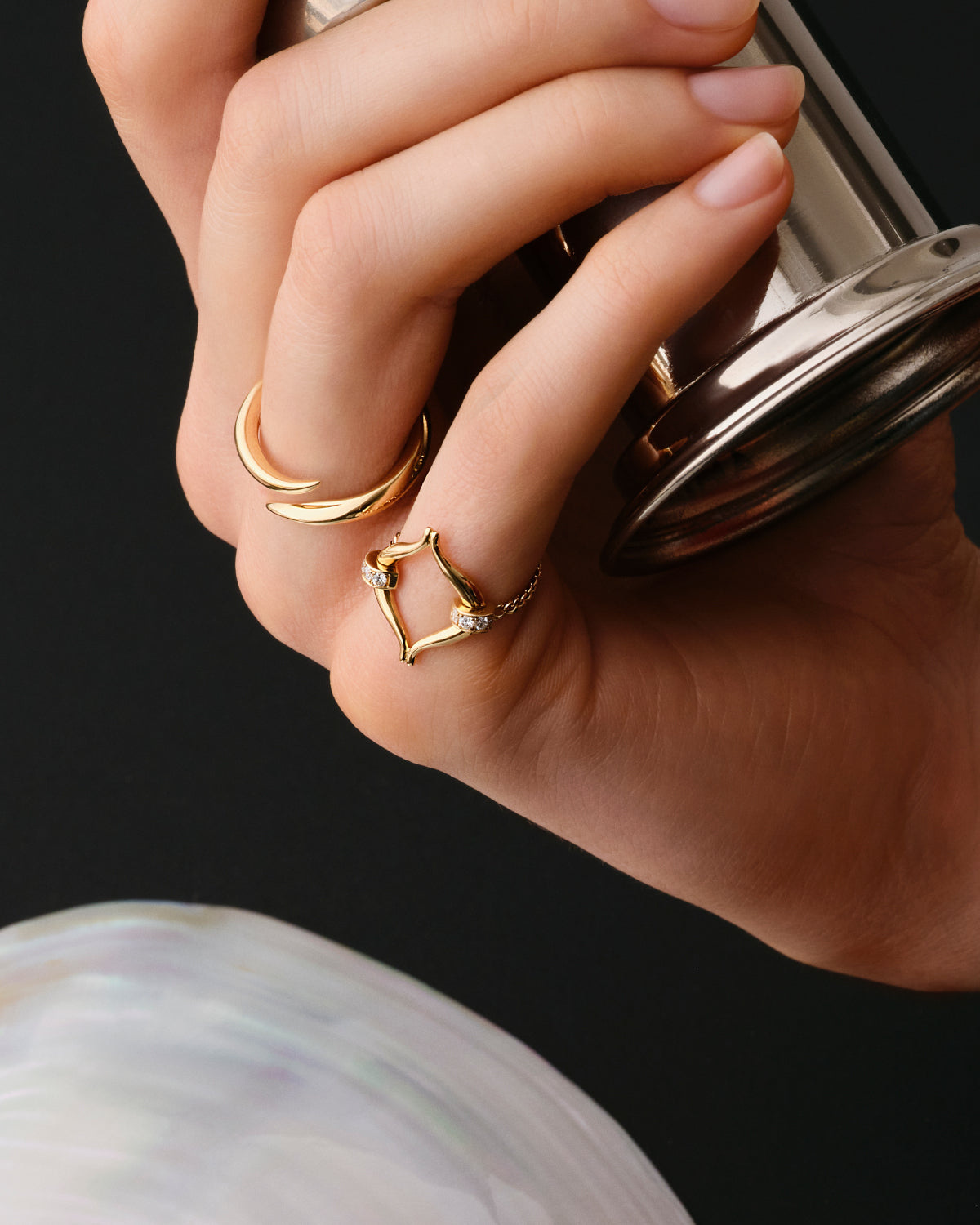
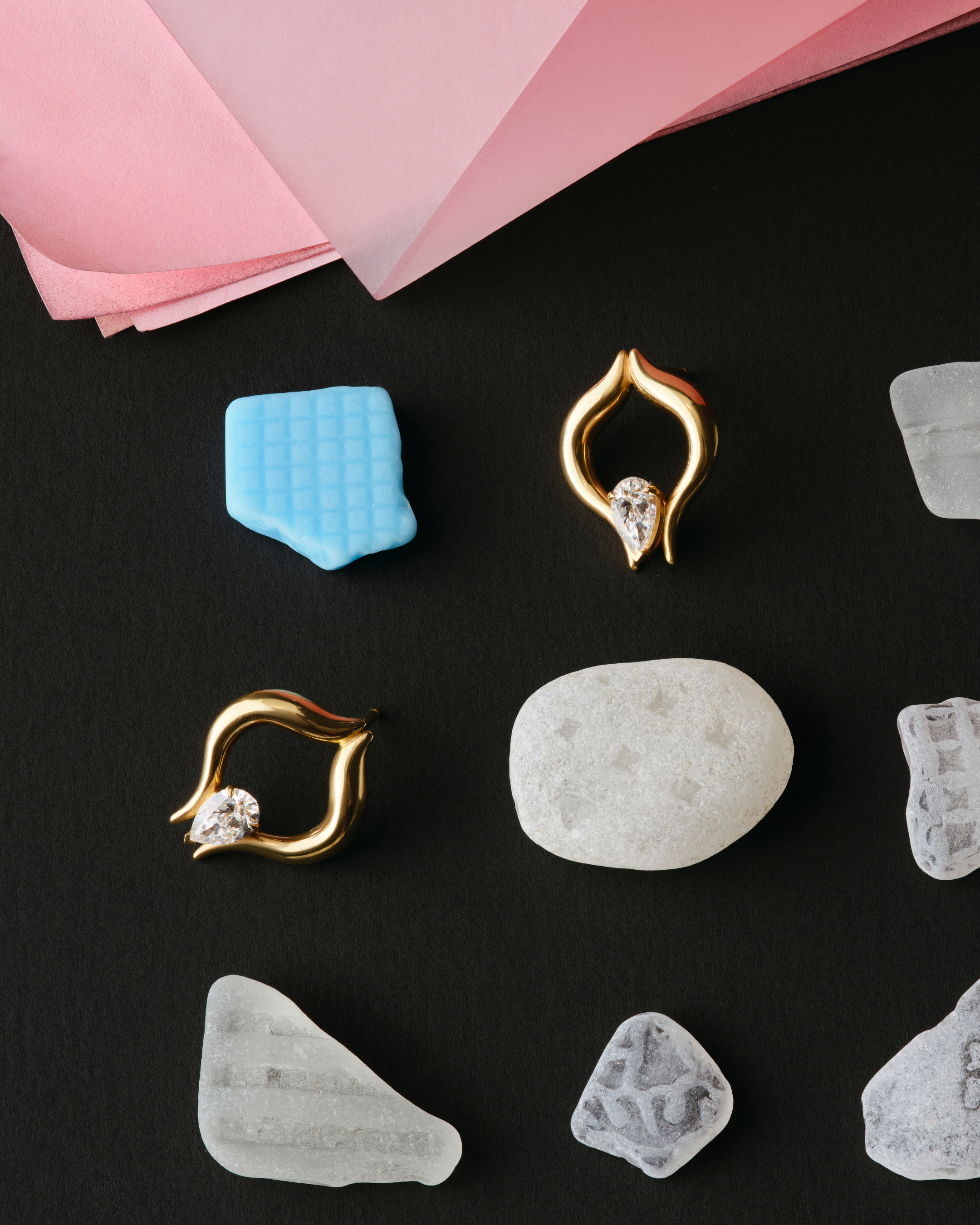
This commitment is fully aligned with the inspiration behind our collections. Our Eboris and Eboris Duchesse rings, with their organic and sensual forms, pay tribute to nature by enhancing its mineral lines. These creations embody a vision of contemporary luxury that respects both resources and the environment.
Protecting Biodiversity
Protecting biodiversity is one of the major positive effects of gold recycling. By reducing pressure on mining operations, this approach helps safeguard threatened animal and plant species by limiting ecosystem destruction and habitat loss.
At Mazarin, all our recycled gold jewelry reflects this commitment to nature. It is a tangible way of supporting a jewelry practice that is conscious of its impact and responsibilities toward the living world.
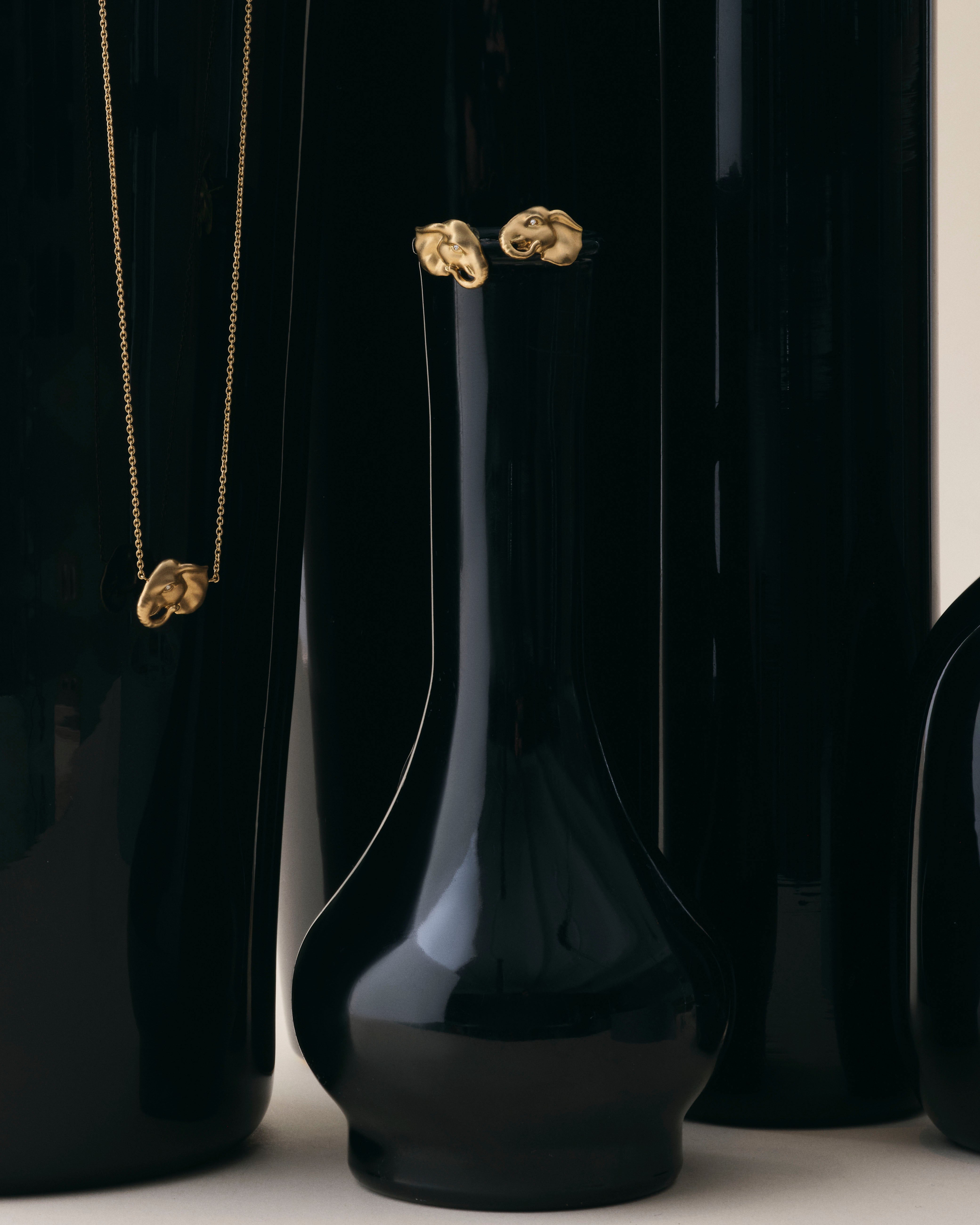
Beyond material choices, this engagement is also expressed through meaningful partnerships. This is the case with our Lucky Elephant collection, created in support of the Big Life Foundation. For each jewel sold, 10 percent of the profits are donated to this nonprofit organization, which works in partnership with local communities to protect 160,000 hectares of wilderness in East Africa.
Through this initiative, we reaffirm that the beauty of a jewel can and should carry values, serving a precious and threatened biodiversity.
Social and Economic Benefits of Gold Recycling
Promoting Corporate Social Responsibility
Gold recycling encourages practices that are more respectful of human rights and working conditions. By reducing reliance on certain artisanal mines known for problematic practices, it supports the emergence of a more ethical and transparent jewelry industry.
At Mazarin, corporate social responsibility is not an abstract concept. It is a concrete, everyday commitment. This involves the careful selection of responsible partners, strict material traceability, and the determination to offer recycled gold jewelry that sincerely reflects these values.
Our approach is fully aligned with a circular economy model: every recovered gold scrap becomes a noble material given new life, contributing to local value creation and the preservation of natural resources.
Whether it is a recycled gold ring, a bracelet, or a necklace, our creations are designed to last. They offer everyone the opportunity to make a responsible choice, aligned with their values and the challenges of our time.