Service clients
 Livechat
 Whatsapp
 Téléphone
 RDV
RDV E-mail
Diamond color: everything you need to know about grades and shades
The fundamentals of color in diamonds
The color of diamonds is one of the main criteria used by experts to assess the quality and value of a stone. Contrary to what one might think, most stones are not entirely colorless. Their hue can subtly vary from pure white to shades of yellow or even brown. These color variations are accounted for through a well-defined color scale, which allows stones to be graded according to their degree of visual purity.
The diamond color grading system is based on letters, ranging from D to Z. Grade D represents the reference for colorless diamonds, while grade Z indicates a notable yellow or brown color. Fancy color diamonds, or fancy color, are classified separately and are characterized by vivid and unique hues, such as blue or green.
Origin of color in diamonds
Diamonds form deep within the Earth, under extreme pressure and heat. During their formation, the presence of specific chemical elements can influence the color of a diamond. For example, traces of nitrogen can give diamonds a yellow hue, while boron can impart a blue color. These variations are rare and give rise to stones with unique colors, which are highly prized in the world of jewelry.
The color of a diamond is therefore linked to the chemical composition of the stone and the conditions of its formation deep within the Earth. Colorless or near-colorless diamonds are the most common, but colored stones, such as fancy vivid or fancy deep diamonds, are particularly rare and sought after for their rarity and exceptional beauty.
Influence of chemical elements
The color of diamonds is mainly due to the presence of chemical elements and impurities during their formation. As mentioned above, nitrogen is responsible for yellow hues, while boron produces blue tones. These chemical elements influence how a diamond interacts with light, thus modifying the visual perception of its color.
Some colored stones are also the result of deformations in the crystal structure of the stone. For example, intense compression during the formation of a diamond can give rise to pink or red colors. These variations are so rare that they are among the most sought-after and expensive diamonds in the world. Similarly, green diamonds often result from natural exposure to radiation during their formation.
Gemologists use advanced technologies and specialized laboratories to analyze these variations and classify diamonds according to their hue, intensity, and purity.

Color scales: the grading system
Diamonds are graded according to a color scale ranging from D to Z. This classification system was developed by the Gemological Institute of America (GIA) and is used worldwide. The D-Z scale measures the presence or absence of color in a diamond. Contrary to common belief, a colorless diamond (graded D) is considered the rarest and most valuable.
The meaning of D to Z color grades
D to F: Diamonds graded D to F are considered colorless. A D-grade diamond is the rarest, representing exceptional white. Grades E and F also have very little color, almost imperceptible to the naked eye, which gives them high value.
G to J: Diamonds in this range are considered "near colorless." While they may show a slight tint when compared to higher-graded diamonds, they remain very high-quality stones.
K to M: These diamonds display a faint yellow or brown tint. Though less sought after than the higher grades, they can still be very beautiful, especially when set in yellow gold.
N to Z: Diamonds in this category show a more noticeable yellow or brown tint. They are generally less rare and therefore less expensive, but can still offer a unique brilliance depending on the style and setting
Colored diamonds: beyond white
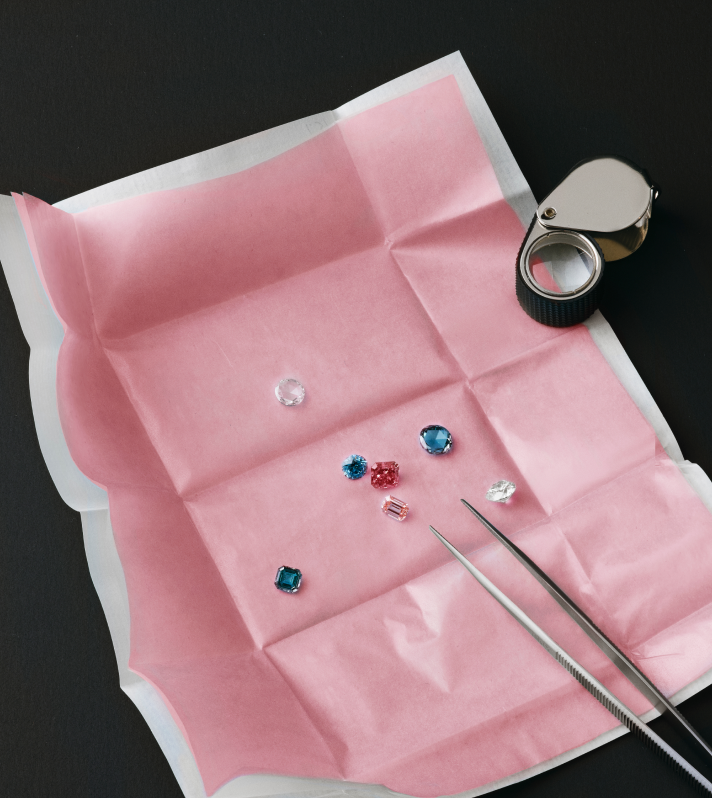
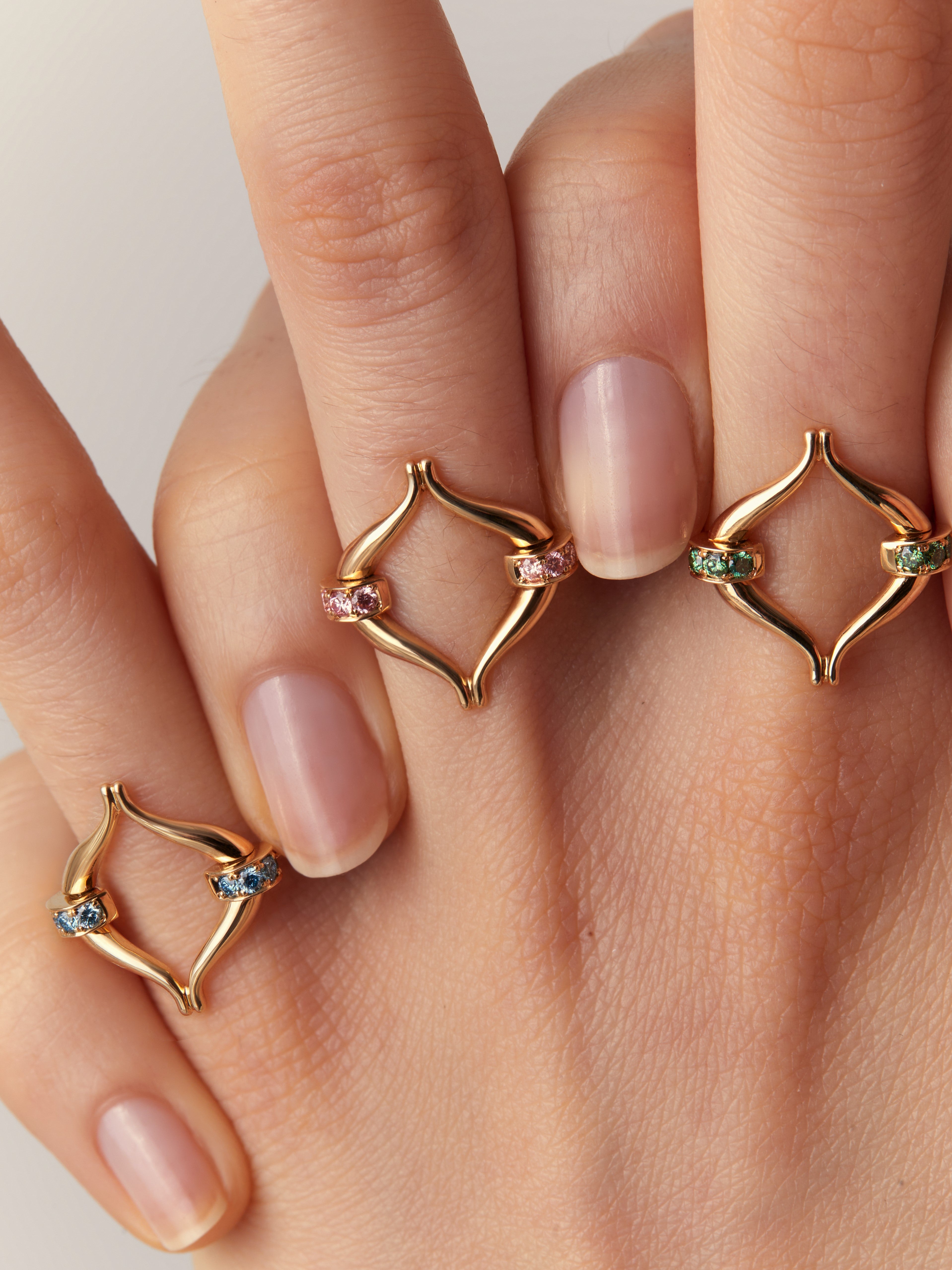
If white diamonds are the most well-known, there are also colored stones, or “fancy color diamonds,” which stand out due to their exceptional hues. These diamonds go beyond the D-Z scale and display colors such as blue, green, and even vivid yellow.
Rarity and value of colored diamonds
Colored diamonds are particularly rare, especially those with vivid hues like blue and pink. The more intense a diamond’s color, the higher its value. This rarity often makes these stones reach very high prices, particularly when they exhibit fancy vivid, fancy intense, or fancy deep shades.
Due to their scarcity, colored diamonds are considered treasures of the jewelry world, highly sought after by collectors and enthusiasts of unique pieces.
Understanding and choosing a diamond’s color
Clarity and purity: A diamond with high purity and no visible inclusions can reflect light better and appear more colorless, even if it has a slightly perceptible hue on the color scale.
Tips for choosing the right color for your diamond
Here are some guidelines for selecting the best color for your diamond:
Set a budget: Colorless diamonds (D-F) are the rarest and most expensive. If you want to optimize your budget, grades G to J offer a visual quality similar to colorless diamonds to the naked eye, but at a more accessible price.
Consider the metal of the ring: For white gold or platinum settings, a colorless or near-colorless diamond is recommended (D-F). For yellow gold rings, a lower grade diamond (K-M) can work well, as the warm metal tone masks the color.
Think about the occasion and symbolism: A diamond with a more vivid hue can be ideal for special occasions. Fancy color diamonds (pink, blue, yellow) are increasingly popular for engagement rings and symbolic jewelry.
Color intensity: If you choose a fancy color diamond, prioritize vivid shades such as fancy intense or fancy vivid, which are the rarest and most striking.
By considering these factors, you can select a diamond that matches your aesthetic preferences, budget, and the occasion, while maximizing the stone’s beauty and brilliance.
The impact of color on a diamond's value
Color is one of the most important factors that determine a diamond's value. On the standardized color scale, the most colorless diamonds are the rarest and therefore the most expensive.
How Color Affects Diamond Prices
The price of a diamond is closely linked to its color:
Colorless Diamonds (D to F): Diamonds graded D are considered perfectly colorless and are the rarest and most expensive. Grades E and F show minimal differences in hue but still fall within the colorless category. These diamonds are highly sought after for luxury jewelry and engagement rings due to their exceptional purity.
Near-Colorless Diamonds (G to J): Although these diamonds have a slight yellow tint, it is often imperceptible to the naked eye, especially when set in gold rings. They offer an excellent balance between quality and price.
Slightly Colored Diamonds (K to M): At this level, the yellow hue becomes more noticeable, but these diamonds can still look beautiful when set in yellow gold settings.
Diamonds Graded N to Z: These diamonds exhibit stronger yellow or brown tints and are less expensive due to their lower visual quality on the colorless diamond scale. However, they can still be used in jewelry depending on personal taste.
Exceptions: When Color Increases Value
Unlike colorless diamonds, fancy-colored stones follow a different logic. The value of these diamonds is directly linked to the intensity and rarity of their color:
Fancy Color Diamonds: Stones with colors such as blue, green, or vivid yellow are extremely rare and can command prices much higher than colorless diamonds. For example, a high-quality blue diamond can be worth several times more than a white diamond of the same size and clarity.
Color Intensity: The more vivid the hue, the more valuable the diamond. Fancy Intense, Fancy Vivid, and Fancy Deep diamonds are particularly sought after due to their rarity.
Historical or Unique Exceptions: Some famous diamonds, such as the Hope Diamond (blue) or the Pink Star (pink), are prized not only for their color but also for their history. These colored stones can achieve record-breaking prices at auctions.
In summary, a diamond's color has a decisive impact on its price. Colorless diamonds are highly valued for their purity, while fancy-colored stones stand out for their rarity and can be even more valuable depending on the intensity of their color.
The most common colors and their meaning
Diamonds come in a range of colors, each with its own meaning and symbolism. Here are the most common diamond colors and what they represent:
1. colorless diamonds (D to F)
Meaning: purity and perfection
Colorless diamonds, graded D to F on the GIA color scale, are the rarest and most sought-after for their lack of color. They symbolize purity, elegance, and exclusivity. These diamonds are often chosen for engagement rings or luxury jewelry, highlighting their exceptional brilliance and transparency.
2. near-colorless diamonds (G to J)
Meaning: balance and understated elegance
These diamonds have a very slight yellow tint that is almost invisible to the naked eye. They represent understated elegance, often more affordable while still maintaining remarkable sparkle.
3. yellow diamonds (fancy yellow)
Meaning: joy, optimism, and warmth
Yellow diamonds, also called Fancy Yellow, range from fancy light to fancy vivid. They symbolize light, warmth, and happiness. Popular in contemporary designs, they bring a sunny, optimistic touch to jewelry. These stones are particularly valuable when they have a vivid hue.
4. pink diamonds
Meaning: love, romance, and femininity
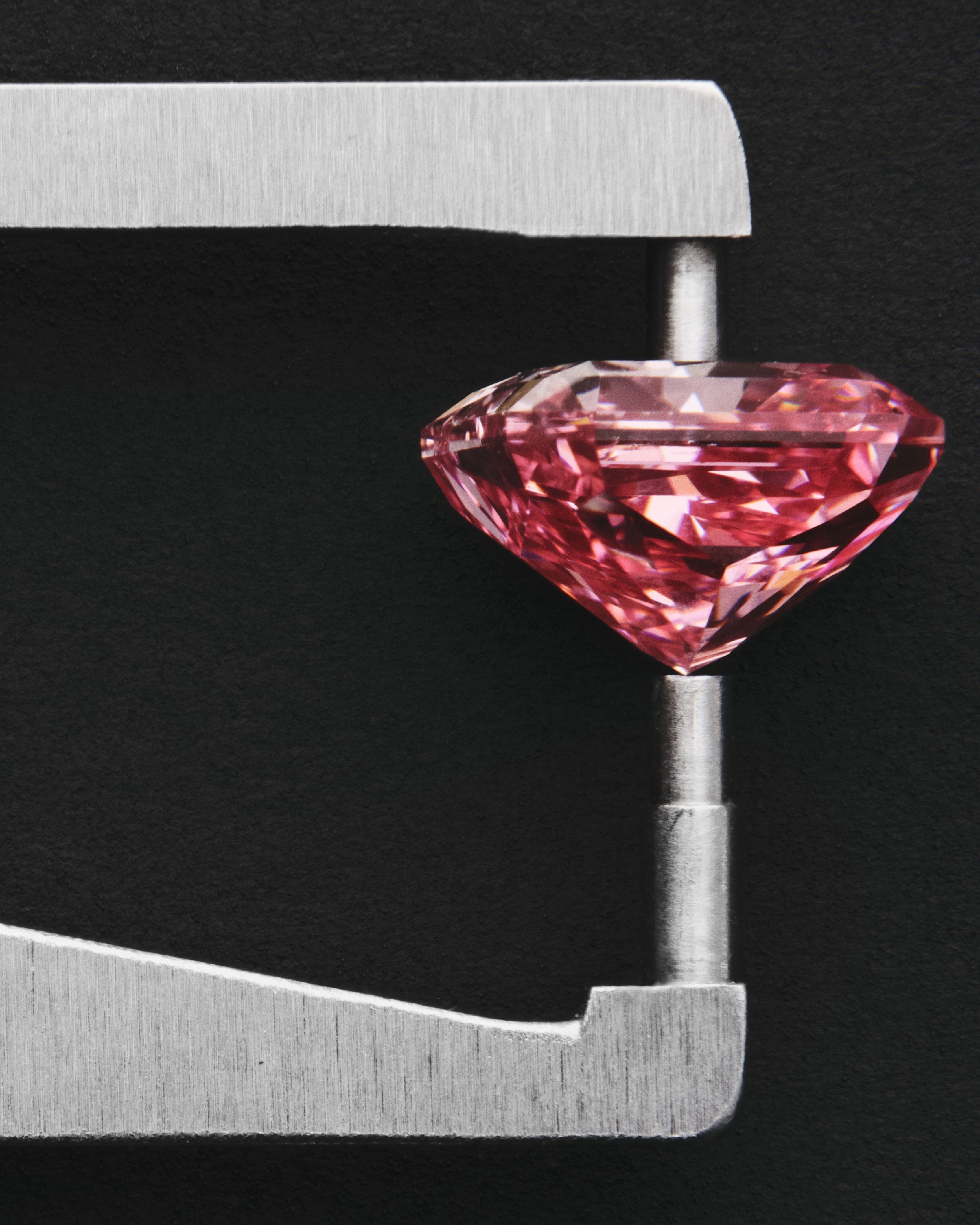
Pink diamonds are among the rarest and most sought-after. They are often associated with love, passion, and tenderness. Their softness makes pink diamonds ideal for jewelry symbolizing eternal love, such as engagement rings.
5. blue diamonds
Meaning: serenity, royalty, and mystery
Blue diamonds (like the famous Hope Diamond) are extremely rare and valuable. They evoke peace, the depth of oceans, and majesty. Their unique color makes them highly prized by collectors and jewelers. Blue diamonds also symbolize loyalty and trust.
6. green diamonds
Meaning: nature, renewal, and harmony
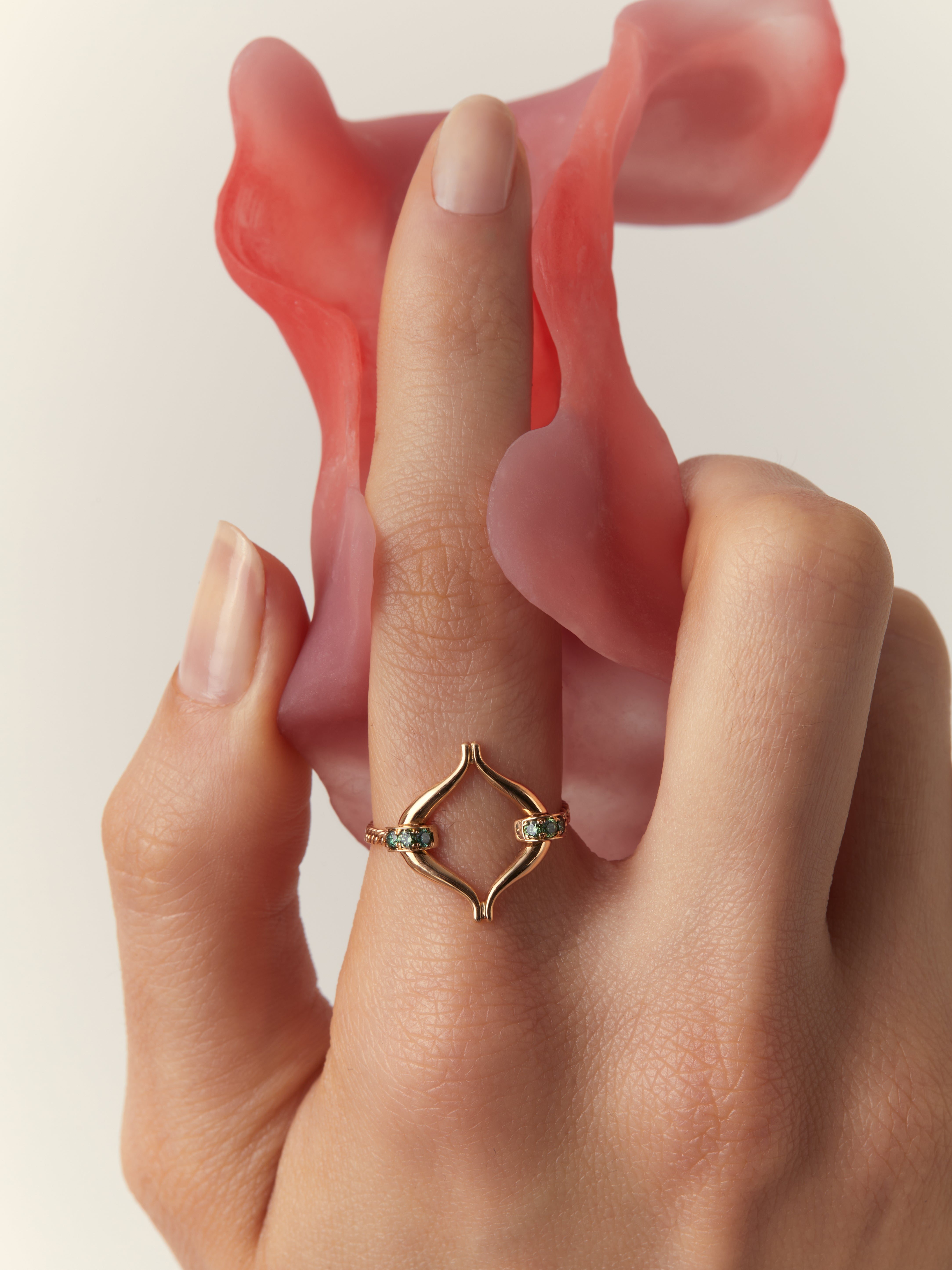
Very rare, green diamonds symbolize nature, growth, and harmony. Their color comes from natural radiation exposure over millions of years, giving them great value and a unique character.
7. brown diamonds (cognac or champagne)
Meaning: earth, stability, and warmth
Brown diamonds, also called Cognac or Champagne, are increasingly popular in contemporary jewelry. They symbolize warmth, earthiness, and stability. While often more affordable, their unique color makes them equally attractive.
8. black diamonds
Meaning: mystery, strength, and modernity
Black diamonds are particularly used in bold and modern designs. Their mysterious, enigmatic appearance symbolizes strength and independence. Unlike other diamonds, they absorb light rather than reflecting it, creating a distinctive visual effect.
9. purple diamonds
Meaning: royalty, mysticism, and spirituality
Extremely rare and prized, purple diamonds are often associated with nobility and spirituality. They evoke mysticism and elegance and are among the most sought-after colored diamonds.
10. orange diamonds
Meaning: energy, creativity, and enthusiasm
Orange diamonds, also rare, symbolize vitality, enthusiasm, and creativity. They bring an original, vibrant touch to jewelry and are appreciated for their bright, warm color.
Diamond fluorescence
Fluorescence is a fascinating phenomenon observed in certain natural diamonds when exposed to ultraviolet (UV) light. Under this light, some stones emit a colored glow, most often blue, but sometimes green or yellow. This reaction is due to the presence of trace elements or specific impurities within the diamond's crystal structure.
The intensity of fluorescence is graded on a scale from none to very strong. Most diamonds exhibit weak to medium fluorescence, while a few show strong fluorescence. Although this characteristic generally does not affect the diamond’s quality or intrinsic value, it can slightly influence its appearance under certain lighting conditions—particularly by giving a milky effect to highly fluorescent diamonds with high color grades (D to F).
Fluorescence should not be confused with phosphorescence, a much rarer phenomenon in which the stone continues to glow after exposure to light. Unlike fluorescence, phosphorescence is considered an unusual effect and is not typically sought after.
In conclusion, fluorescence is a natural and often charming aspect of a diamond’s character. It contributes to its uniqueness and can, in some cases, enhance its beauty under light.