 Service clients
 Livechat
 Whatsapp
 Téléphone
 RDV
RDV E-mail
Recognizing a hallmark on your gold jewelry
What is a gold hallmark?
Gold jewellery is much more than a simple valuable object. It embodies elegance, luxury, and often a family story passed down from generation to generation. But how can you know whether the gold piece you own or are considering purchasing is truly authentic? This is where gold hallmarks come in — small symbols engraved on gold jewellery to guarantee its authenticity and gold content. In this article, we explore what a gold hallmark is, why it matters, and how it helps you assess the quality of a piece of jewellery.
Definition and history
A gold hallmark is a small symbol or mark engraved on a piece of jewellery, often in a discreet place such as the inside of a ring or the clasp of a bracelet. This mark certifies the gold content of the piece and may also provide information about its origin, its maker, and sometimes even the year it was created. Hallmarks are a standardized form of identification that has been used for centuries to guarantee the quality of precious metals.
The history of hallmarking dates back to Antiquity, but the practice became truly institutionalized during the Middle Ages. In France, the official guarantee hallmark was introduced in the 13th century to protect consumers against fraud. Over time, different hallmarks were created to identify not only gold, but also other precious metals such as silver and platinum. For example, the eagle’s head is a well known French symbol indicating that a piece is made of 18 carat gold. Other hallmarks, such as the dog’s head for platinum or the scallop shell for silver, serve a similar purpose in identifying and validating jewellery.
The importance of hallmarks for consumers
For consumers, a gold hallmark is essential for several reasons. First, it guarantees that the piece is genuinely made of gold and not a lower value alloy or base metal. This assurance is particularly important when purchasing high value gold jewellery, as gold content can vary significantly between, for example, 14 carat and 18 carat gold. The guarantee hallmark indicates not only the purity of the gold but also its origin, providing traceability that can be useful, especially in the case of resale.
Gold hallmarks also play an important role in the valuation of a piece. A gold jewel bearing an official hallmark will generally hold greater market value than a piece without any mark of guarantee. This difference is especially significant for antique or second hand gold jewellery, where the presence of a hallmark can distinguish a high quality piece from simple costume jewellery.
Finally, a hallmark is a sign of trust and transparency within the jewellery sector. Jewellers who comply with hallmarking standards demonstrate their commitment to quality and customer satisfaction. This is particularly important in a world where counterfeiting and fraud unfortunately remain common.
In short, recognizing and understanding a gold hallmark is a valuable skill for any jewellery enthusiast. Whether you are a passionate collector, an occasional buyer, or simply curious about the story behind your gold piece, the hallmark is the key to deciphering the value, authenticity, and history of your jewellery.
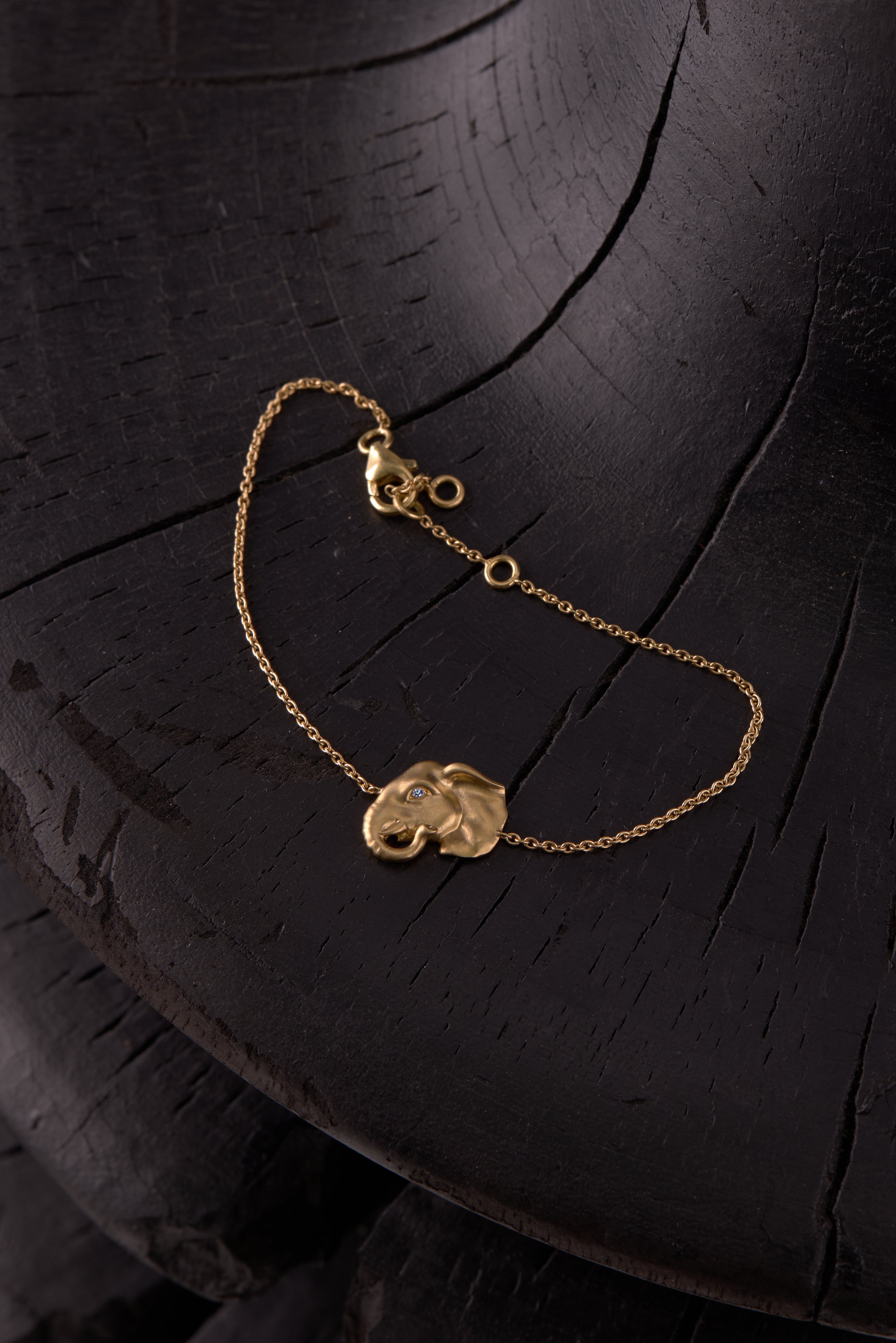
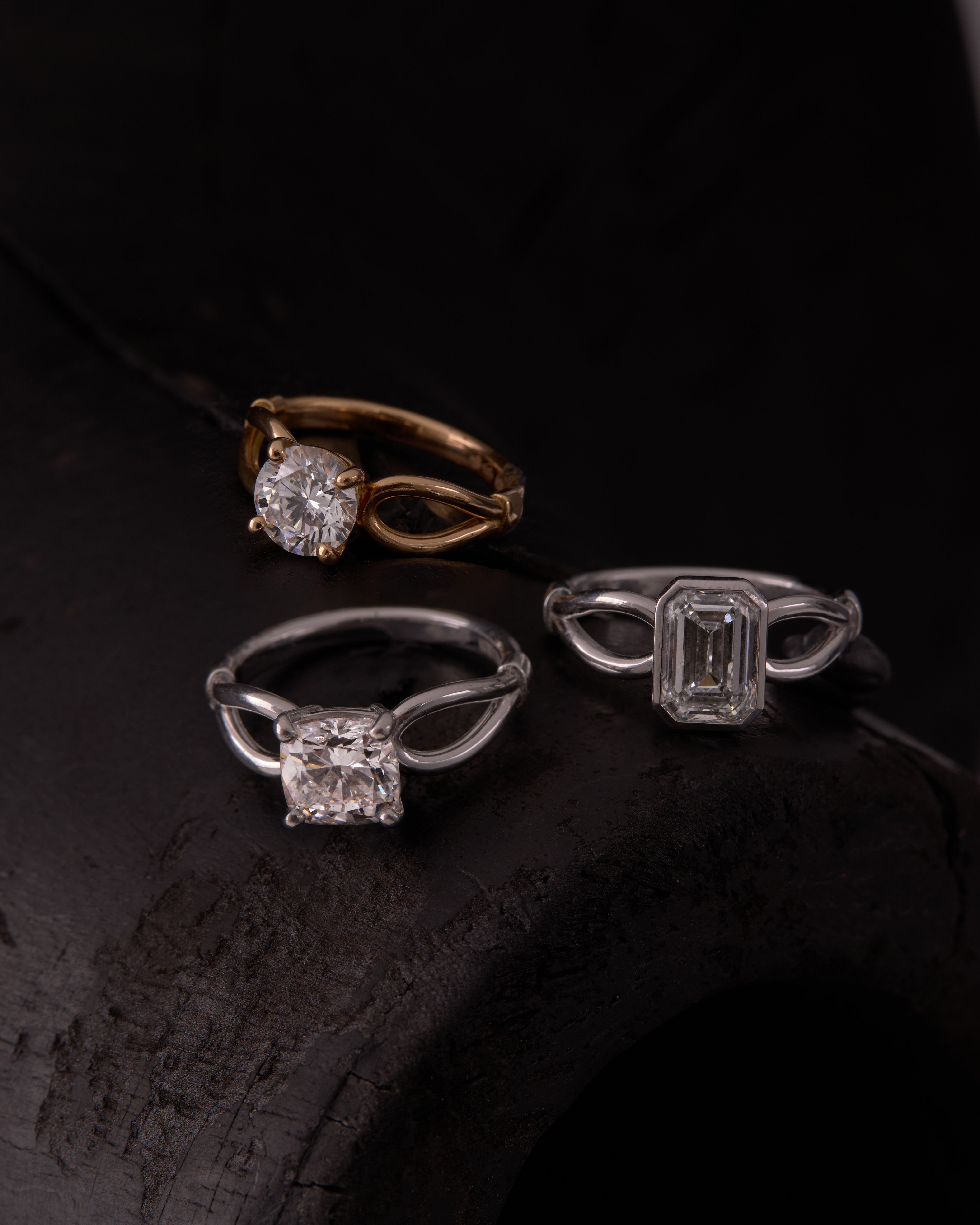
All MAZARIN gold jewellery is certified 18 carat. Explore our collections of gold and diamond rings and wedding rings.

How to read a gold hallmark on a piece of jewellery?
Elements of a gold hallmark
A gold hallmark is made up of several distinct elements that help identify the gold content of a piece of jewellery. Among the most common is the eagle’s head, which indicates that the jewel is made of 18 carat gold in France. Other symbols, such as the horse’s head or the rooster, may also be used to denote gold alloys of different purities. A hallmark can also include a maker’s mark or the goldsmith’s logo, identifying the workshop or brand that created the piece.
Elements of a diamond hallmark
For jewellery set with diamonds, a specific mark may sometimes be present to certify the quality and authenticity of the precious stone. This mark is often linked to a serial number that guarantees the diamond’s authenticity and traceability. It may also include details related to the diamond’s characteristics, such as the type of cut, for example cushion cut or brilliant cut.
Meaning of numbers and symbols
The numbers engraved in a hallmark generally indicate the purity of the metal. For example, “750” corresponds to 18 carat gold, meaning 75 percent pure gold, while “925” indicates sterling silver. Symbols such as the eagle’s head for gold or the dog’s head for platinum allow you to quickly identify the type of precious metal used in the piece.
The different types of gold hallmarks
The fineness hallmark
The fineness hallmark indicates the gold content of a piece of jewellery. It is usually represented by numbers such as “750” for 18 carat gold or “585” for 14 carat gold. This mark certifies the proportion of pure gold contained in the alloy.
The maker’s mark
The maker’s mark identifies the goldsmith or workshop that created the piece. It generally takes the form of a unique symbol, logo, or set of initials. This mark serves as a signature, guaranteeing authenticity, craftsmanship, and quality.

Hallmarks by country
Comparison of hallmarking systems around the world
Hallmarking systems vary from one country to another. For example, in France, the eagle’s head represents 18 carat gold, while in the United Kingdom, a lion passant indicates that the metal meets the national gold standard. Each country uses its own symbols and regulations to certify gold jewellery.
Recognizing international gold hallmarks
To identify international hallmarks, it is important to become familiar with the specific symbols used in each country. For instance, Italy uses numeric marks such as “750” for 18 carat gold, often accompanied by a maker’s registration number and a provincial code. Understanding these differences helps ensure the authenticity and origin of gold jewellery purchased abroad.
Tips for verifying the authenticity of a gold hallmark
Tools needed to examine a hallmark
To properly examine a hallmark, you will need a jeweller’s loupe to clearly see the engraved details, a magnet to check for the presence of base metal alloys, and possibly a scale to verify the weight of the piece. A hallmark reference guide can also help you identify specific symbols and compare them with official standards.
What to do if the hallmark is missing or illegible?
If the hallmark is missing or difficult to read, it is recommended to have the jewellery assessed by a professional jeweller or expert. They can use advanced techniques such as spectrometry analysis to determine the precious metal content and confirm the authenticity of the piece.

The role of gold hallmarks in the second hand market
Importance for transactions and valuations
Gold hallmarks are essential in the second hand market because they certify both the gold content and the authenticity of a piece of jewellery. They help determine a jewel’s value based on its alloy and weight, which are key factors in appraisals and resale transactions.
Precautions when buying second hand jewellery
When purchasing pre owned jewellery, always check that the hallmark is present and clearly legible. If the mark is missing or difficult to read, request a professional assessment before finalizing the purchase. This helps prevent counterfeiting and ensures the quality and authenticity of the piece.