 Service clients
 Livechat
 Whatsapp
 Téléphone
 RDV
RDV E-mail
White gold: understanding its composition and nuances
Qu’est-ce que l’or blanc ?
A precious and elegant definition
White gold, as refined at Mazarin, embodies the perfect blend of luxury and sophistication. This precious metal, meticulously crafted from pure gold and carefully selected alloys, stands out for its bright white hue. Elegant and timeless, it is a symbol of refinement, naturally establishing itself as a preferred choice in fine jewelry.
A true reflection of our craftsmanship, white gold appeals to both connoisseurs and lovers of exceptional jewelry. It embodies timeless beauty that has captivated audiences worldwide. Every creation in our 18-carat white gold collections is a testament to remarkable craftsmanship, combining precision and elegance.
Difference between yellow, white, and rose gold
Yellow, white, and rose gold are three distinct types of gold, each with its own characteristics. Yellow gold retains the natural golden color of gold, while white gold, alloyed with other metals and often plated with rhodium, has a silvery hue and an elegant finish. Rose gold, enriched with copper, offers a soft, slightly pink tint.
Carefully designed, our pieces are crafted to harmonize with your tastes and enhance your style. Whether you are drawn to the delicate brilliance of white gold, the warm elegance of rose gold, or the timeless nobility of yellow gold, each metal perfectly reflects your personality.
White gold, in the service of elegance
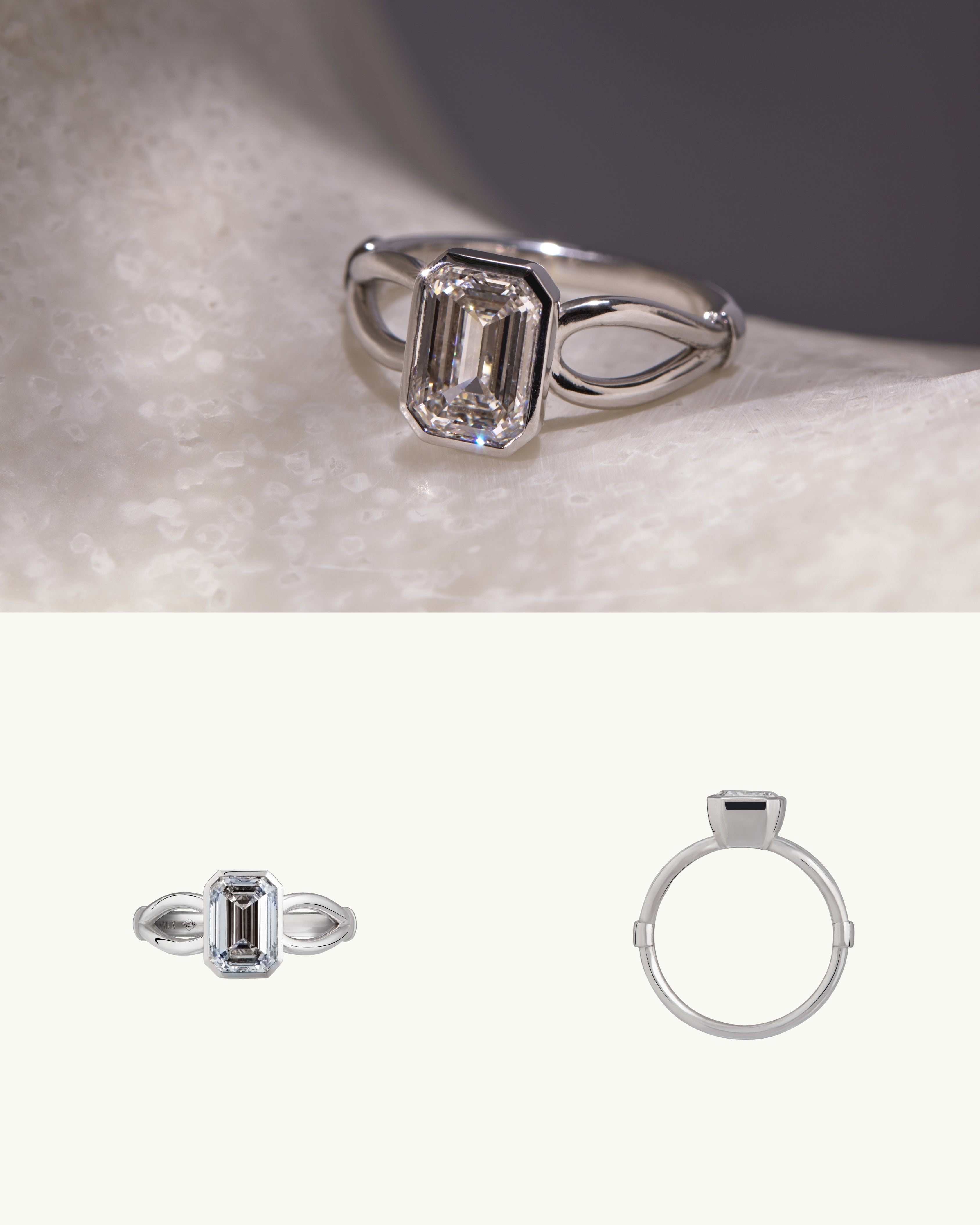
Primarily composed of gold and other metals, 18-carat white gold is distinguished by its silvery color, perfectly combining beauty and durability. Often enhanced with rhodium plating, it showcases precious stones, especially diamonds. Able to harmoniously blend modernity and tradition, white gold is a prized choice in jewelry, offering the opportunity to create exceptional pieces.
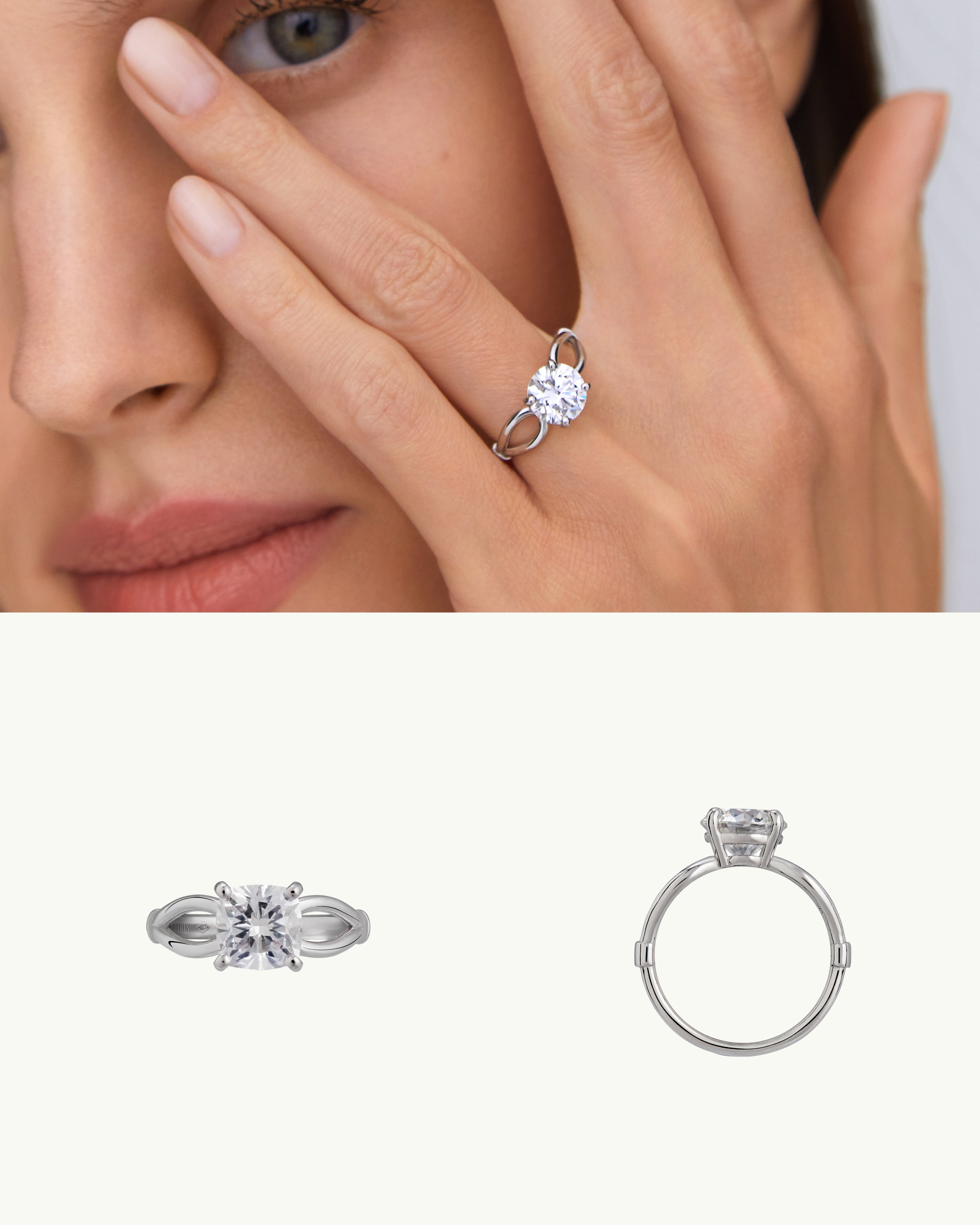
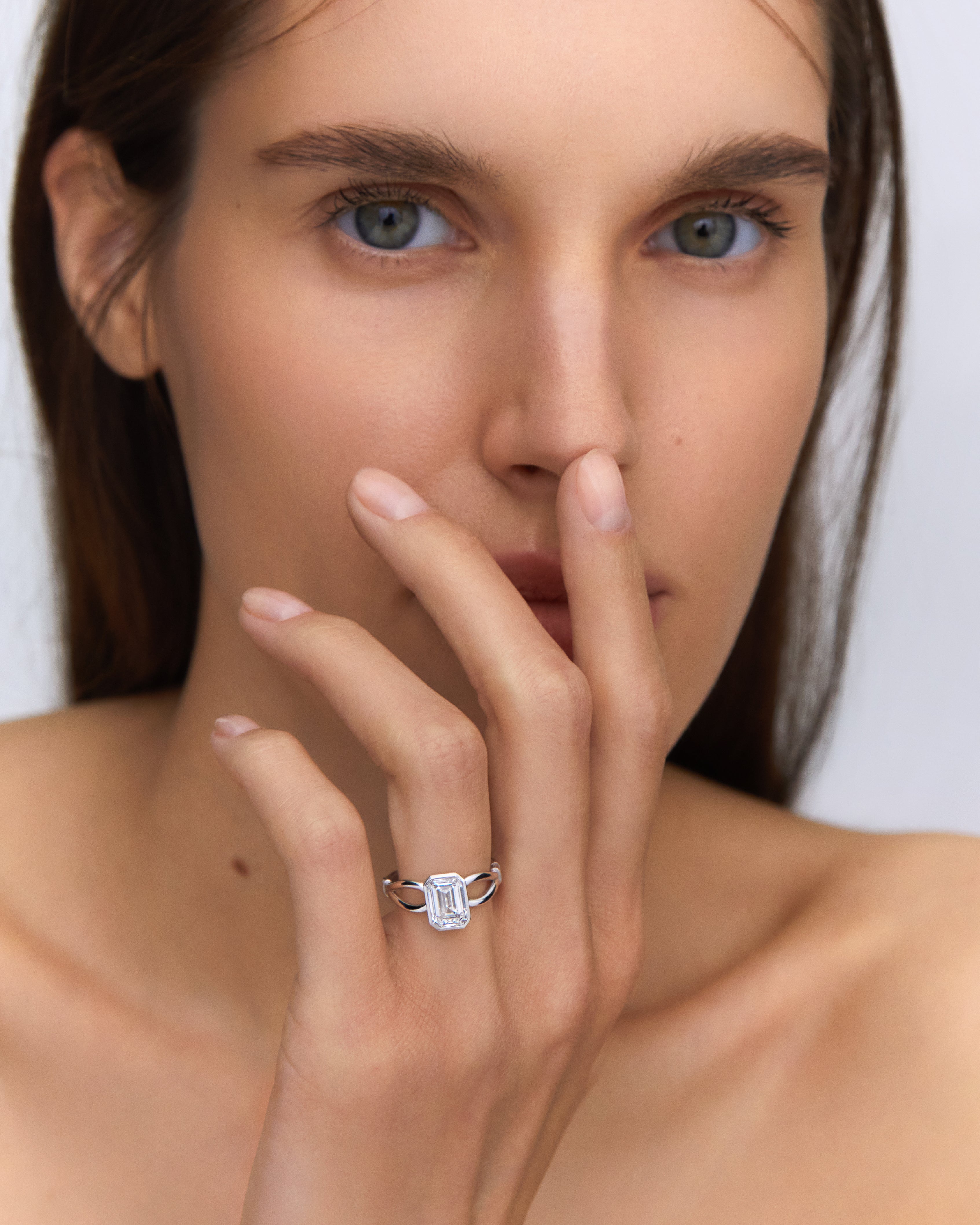
White gold: a unique alloy
Metals used in the composition of white gold
The composition of white gold jewelry is based on an alloy of pure gold and metals such as palladium, nickel, and silver. These metals give white gold its silvery hue and high durability.
The role of palladium and nickel in the alloy
Palladium in white gold provides a bright color and excellent durability, enhancing resistance to oxidation and corrosion. It also helps maintain the shine without requiring additional plating.
Nickel, on the other hand, gives the alloy a cooler, silver tone while reinforcing its strength, but it can cause allergies, which limits its use in high-quality alloys.
Percentages of pure gold and alloys according to standards
White gold alloys vary depending on the proportion of pure gold and the added metals. In 24-carat gold, the gold is 100% pure, but it is too soft for jewelry. The most common 18-carat gold contains 75% pure gold and 25% other metals such as palladium, nickel, or platinum, offering a good balance between durability and aesthetics. 14-carat gold contains 58.3% pure gold and 41.7% alloys, while 9-carat gold contains 37.5% pure gold with a higher percentage of alloys for greater strength at a lower cost. These variations allow the durability and appearance of the jewelry to be adapted according to preferences and budgets.
The manufacturing process of white gold
Melting metals for a homogeneous alloy
The production of white gold begins with melting carefully selected metals, such as pure gold, palladium, nickel, or platinum, in a high-temperature furnace to create a homogeneous alloy. After cooling, the alloy is solidified into ingots, then transformed into sheets or wires ready for jewelry-making.
At Mazarin Paris, every step of this process is carefully controlled to ensure high-quality pieces that combine beauty, durability, and sophistication. All our 18-carat white gold jewelry perfectly embodies this craftsmanship.
The rhodium plating process for a brilliant finish
After a white gold piece is crafted, a thin layer of rhodium is applied to its surface through an electrolysis process. The jewelry is immersed in a solution containing rhodium ions, and an electric current is passed through, allowing the rhodium to bond perfectly to the metal’s surface. This step is essential for achieving a brilliant finish and provides the jewelry with additional protection.
Luxury goldsmithing techniques for exceptional jewelry
Luxury goldsmithing techniques make it possible to create exceptional jewelry through meticulous craftsmanship. Lost-wax casting shapes complex pieces, while setting holds gemstones delicately. Hammering and machining add texture, guilloché illuminates surfaces with refined patterns, and patination creates subtle nuances.
Through the Mazarin showcase, discover the full excellence of this craftsmanship, where each piece of jewelry becomes a unique work of art, combining beauty, creativity, and exceptional skill.
Why choose white gold for your jewelry?
Aesthetic advantages of white gold
At Mazarin, you will find pieces in white gold in our collections, including necklaces, bracelets, and earrings, suitable for all styles. Choosing a white gold piece means opting for contemporary elegance. Its silvery hue beautifully showcases gemstones, particularly diamonds, which stand out for their exceptional purity and brilliance. These creations combine refinement and modernity, offering pieces that are both timeless and elegant.
Durability and strength: a smart choice for everyday jewelry
White gold is an ideal choice for everyday jewelry due to its exceptional durability. Unlike pure silver, which is softer, 18-carat white gold is an alloy strengthened with palladium, nickel, or platinum, providing great solidity and resistance to wear. White gold jewelry retains its shine even with regular use. Additionally, rhodium plating protects white gold from oxidation and scratches, ensuring a bright and long-lasting finish.
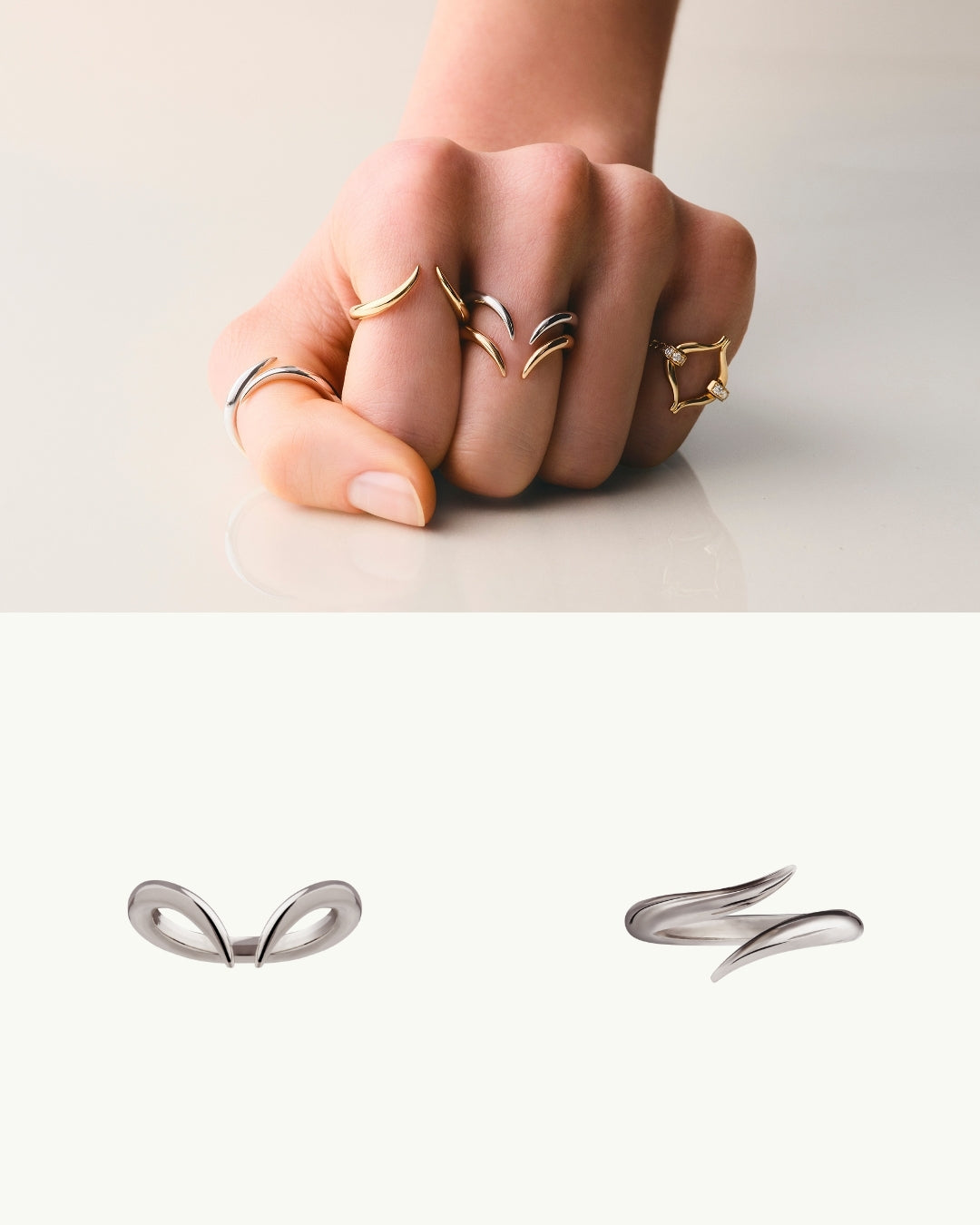
This metal thus combines aesthetics and practicality, making it a preferred choice for creating elegant, sturdy jewelry suitable for daily wear. Pieces like the Duchesse ring or the Eboris ring are perfect for those seeking refined and durable creations. Thanks to its enhanced strength, white gold maintains its pristine appearance over the years, making it ideal for engagement rings, wedding bands, or jewelry worn every day.
A versatile metal suitable for all styles
18-carat white gold adapts to all styles, from classic to modern. Its silvery color and subtle shine make it an excellent choice for any occasion. It pairs beautifully with other metals and suits designs ranging from minimalist pieces to more elaborate creations. This aesthetic versatility makes white gold a perfect choice for timeless jewelry items.
Care and maintenance of white gold jewelry
Tips for preserving rhodium plating shine
To maintain the shine of the rhodium plating on your white gold jewelry, it is essential to avoid chemicals such as perfumes and household products that can damage the rhodium layer. Store your jewelry separately in a soft case to prevent scratches and clean it gently with a non-abrasive cloth. Also, avoid knocks or impacts that could damage the finish.
Rhodium replating frequency
The frequency of rhodium replating mainly depends on how often the jewelry is worn and its daily exposure to wear and tear. For frequently worn pieces, such as engagement rings or wedding bands, it is recommended to schedule maintenance every 1 to 2 years. For less frequently worn jewelry, the rhodium layer lasts longer. It is important to monitor the jewelry’s shine and color, and take action if it begins to lose brilliance to maintain protection and appearance. Regular maintenance helps preserve the beauty of your pieces.
Recommended products for cleaning white gold
To clean white gold and preserve its shine, it is recommended to use gentle, non-abrasive products. A mixture of lukewarm water and mild soap is ideal for gently cleaning your jewelry using a soft-bristled brush.
To remove fingerprints and dust, regularly wipe your jewelry with a soft microfiber cloth. You can also use cleaners specially designed for white gold, free of harsh chemicals, as well as appropriate cleaning wipes that preserve the finish and rhodium plating. It is essential to avoid abrasive or chemical cleaners, which may damage the jewelry’s surface.
White gold frequently asked questions (FAQ)
Why is white gold more expensive?
White gold is more expensive due to the use of precious metals such as palladium, platinum, or rhodium, which increase production costs. Rhodium plating, which enhances shine and durability, as well as specialized craftsmanship, also contribute to its higher price.
What is the white gold alloy?
White gold is an alloy composed of 75% pure gold (18 carats) and other metals such as palladium, nickel, platinum, or silver, which give it its white color and strength. A rhodium plating can be added to enhance brilliance and durability.
What is the difference between white gold and gray gold?
The difference between white gold and gray gold lies in their composition. White gold is an alloy of pure gold and metals like palladium or nickel, often plated with rhodium to enhance its shine. Gray gold, on the other hand, is a mixture of pure gold and platinum, giving it a naturally silvery color without the need for rhodium plating.
Why does white gold turn yellow?
White gold can turn yellow over time due to the wear of the rhodium plating, which protects the alloy and gives it its white color. When this plating wears off, the underlying yellow gold appears, giving the white gold a yellowish tint.