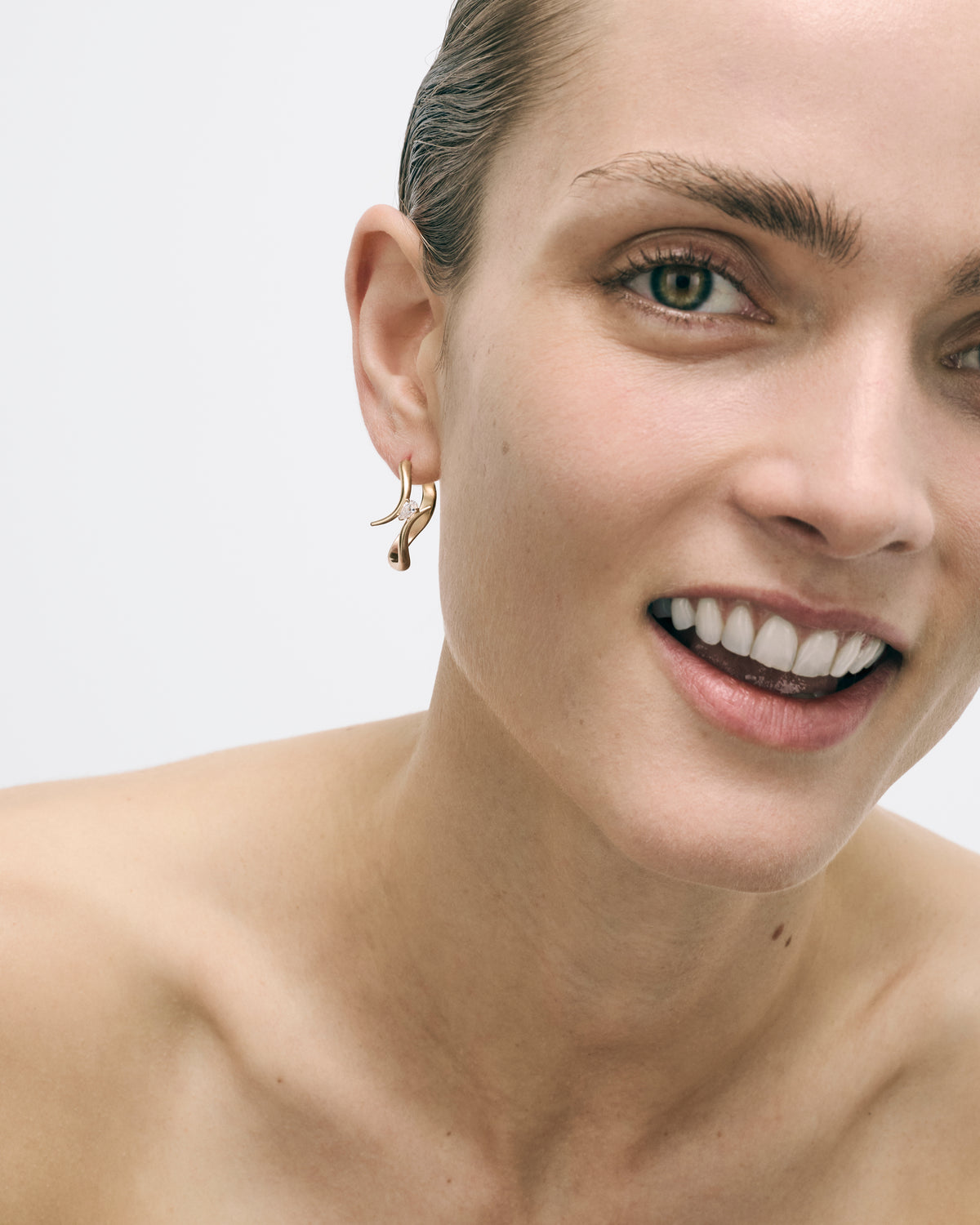
Understanding Diamond Purity: A Guide to Clarity Scales

When we talk about the value of a diamond, several elements come into play. The purity of the diamond, also called clarity, is one of the essential parameters for evaluating the identity and quality of a stone. With c...

What is diamond clarity?

When we talk about the value of a diamond, several elements come into play. The purity of the diamond, also called clarity, is one of the essential parameters for evaluating the identity and quality of a stone. With color, carat weight and size, it makes up the famous 4c diamond, universal pillars of gemological expertise.

At Mazarin, we know that a diamond is much more than a simple gem: it is a promise, an emotion, sometimes the symbol of a founding moment. Understanding purity allows you to make an informed choice, in accordance with your budget, your aesthetic expectations and your personal sensitivity.

The purity of a diamond

Clarity is the level of presence or absence of internal and external flaws in a diamond. These features are called inclusions when they are located inside the stone, and surface features when they are located outside.

With the color of diamonds, the diamond carat and diamond size, purity is a fundamental criterion in determining the appearance, brilliance and overall value of a diamond.

Each diamond is unique. The tiny imperfections that form during its deep crystallization, over several billion years, act like a natural fingerprint.

Definition of clarity and the role of inclusions

Clarity describes the degree of transparency of a diamond and its ability to allow light to pass through without obstruction. The freer a diamond is from inclusions, the more light flows freely through its facets, increasing its sparkle and brilliance.

Inclusions can be trapped crystals, feathers, clouds or microscopic cracks. Depending on their size, position and nature, these inclusions influence the visual perception and solidity of a diamond differently. In some cases, very small inclusions are completely invisible to the naked eye and do not alter the beauty of the stone.

The different types of inclusions and surface features

We distinguish two main families:

The internal defects (inclusions) present inside the stone are observable under magnification and sometimes with the naked eye for the lowest grades.

External defects (spots or surface features) relate to the surface of the diamond including scratches, pits, abrasions or polishing marks.

These characteristics play a role in assessing the degree of purity, but also in the way light interacts with the stone.
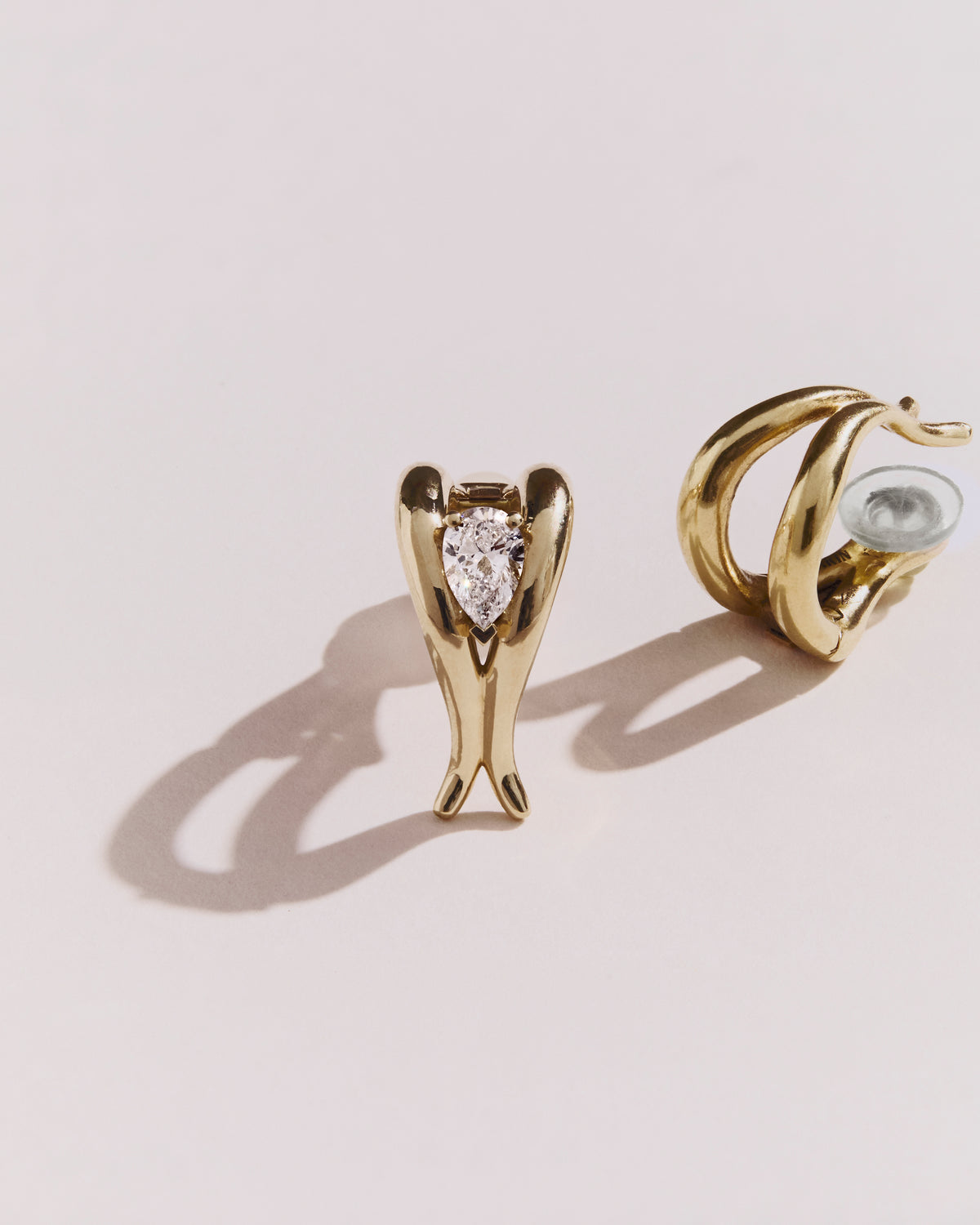
What is diamond clarity?

The GIA purity scale: deciphering the different grades

The global benchmark for clarity grading is set by the Gemological Institute of America. This universal scale, often called the GIA scale or purity scale, grades diamonds based on the number, size, position and visibility of inclusions. It ranges from perfect diamonds to stones with easily visible inclusions.

Perfect diamonds: categories FL (Flawless) and IF (Internally Flawless)

FL (Flawless): no internal or external defects under 10x magnification

IF (Internally Flawless): no internal defects, only tiny surface marks

These diamonds represent the absolute pinnacle of rarity. Their exceptional purity makes them highly sought after stones, but also among the most expensive on the market.
A flawless or internally flawless diamond offers perfect transparency, maximizing light reflection and brilliance.

The fl if vvs1 vvs2 categories are among the most prestigious levels of purity.

Very minor inclusions: VVS and VS categories

VVS1 / VVS2 (Very Very Slightly Included): inclusions extremely difficult to detect under 10x magnifying glass.

VS1 / VS2 (Very Slightly Included): small inclusions visible under magnification but invisible to the naked eye.

These grades offer an excellent balance between purity and budget. VVS and very slightly included diamonds are very popular in jewelry for their almost perfect appearance. They are often described as “pure under the microscope” by professionals.

Visible inclusions: categories SI (Slightly Included) and I (Included)

SI1 / SI2 (Slightly Included): inclusions visible under magnification, sometimes visible to the naked eye depending on their location.

I1, I2, I3 (Included): inclusions visible to the naked eye and which may affect transparency and sometimes solidity.

The i1 i2 i3 categories bring together the most accessible diamonds in terms of price, but require rigorous selection.
default

The impact of purity on diamond brilliance and price

Clarity directly influences the value of a diamond. For equal characteristics, the higher the degree of purity, the more the price increases.

However, the relationship is not linear: going from a VS1 to a FL can lead to a very significant price increase, sometimes with no visible difference to a non-expert.

Inclusions can disrupt the passage of light, reducing brightness. However, perfectly executed diamond cutting can compensate for certain imperfections.

It is essential to consider clarity as part of a set of criteria, alongside the size, color and weight of the diamond.
default

How to choose the ideal purity grade for your jewelry?

The best choice depends on your goal: engagement ring, everyday jewelry, investment or exceptional piece.

Favor “Eye Clean” diamonds

An “eye clean” diamond is a stone whose inclusions are not visible to the naked eye. This often corresponds to grades VS2, SI1, or even some well-selected SI2s.
This approach allows you to obtain excellent value for money, by devoting more budget to size or carat. Some jewelers also speak of a clean loupe diamond.

Adapt purity based on shape and carat weight

The diamond size partly determines the visibility of inclusions. Bright sizes hide defects better. Emerald or baguette cuts, which are more open, make inclusions more visible.
As the carat increases, imperfections become more noticeable. Therefore, for a heavy diamond, it is advisable to opt for a higher degree of purity.
How to choose the ideal purity grade for your jewelry?

Expert Tips for Buying a Diamond with the Best Value for Money

Choose a diamond certified by a recognized laboratory.
Always check the certificate and its unique number.
Ask to observe the stone under a magnifying glass or microscope.
Compare several stones in the same category.

VS1, VS2 and certain SI1 diamonds often represent the best compromise between quality, beauty and budget.

At Mazarin, our experts select each stone individually to guarantee consistent quality and impeccable aesthetics.
default

FAQ:

What is the best clarity grade for a diamond?

There is no universal answer. An FL diamond is perfect, but a well-chosen VS or SI1 offers an identical visual result for a lower price.

Can inclusions affect the strength of the stone?

Yes. Certain inclusions located near the surface can weaken the stone. This is why expertise is essential.

How can you check the purity of a diamond yourself?

Using a 10x magnifying glass. However, only gemological certification allows a reliable evaluation.
FAQ:

Conclusion

Diamond purity is a key parameter that directly influences the appearance, value and longevity of a piece of jewelry. Understanding the clarity scale allows you to make a thoughtful choice, aligned with your aesthetic expectations and your budget.

At Mazarin, each stone is selected to integrate harmoniously into the design of a room, according to precise criteria of quality and consistency. This global approach guarantees creations that are balanced, sustainable and faithful to our demanding standards.

If you want to deepen your understanding of the other essential criteria, also consult our guides on diamond size, color of diamonds and the carat of the diamond.

beauty,
worn
naturally

KNOW-HOW
MAZARIN

Paris, our artisans shape each piece of jewelry by hand, in recycled gold and natural stones, carefully chosen for their beauty, their origin and their character.

Discover

The elephant: totem of the house
MAZARIN

The elephant, wonder of the wild world, embodies the memory, wisdom and strength that inspire the House. Its name pays homage to the great collector Mazarin.

Discover

THE COLLECTIONS
MAZARIN

Discover the Mazarin collections: rings, necklaces, bracelets and earrings inspired by the beauty of the wild world, to wear and create as you wish.

Explore

fitting
MAZARIN

At 34 rue du Faubourg Saint-Honoré, our Parisian salon welcomes you by appointment to discover, try our creations and experience a moment until you fall in love.

Make an appointment