


What is a sapphire? This gem is part of the corundum family, composed of aluminum oxide crystallized naturally over the centuries. Like the ruby, this precious stone owes its color to certain impurities such as iron or titanium, responsible in particular for the characteristic deep blue.
Sapphires are formed in deposits located in different regions of the world, including Sri Lanka, known for producing high quality natural stones. The origin of a sapphire directly influences its structure, appearance and rarity. Most of the stones used in jewelry today come from these historic regions, where natural sapphires recognized for their quality, brilliance and authenticity are formed.
Understanding the origin and characteristics of a sapphire already allows us to better understand its value and identify whether a sapphire is authentic or comes from a laboratory.
History and geographical origins of sapphires
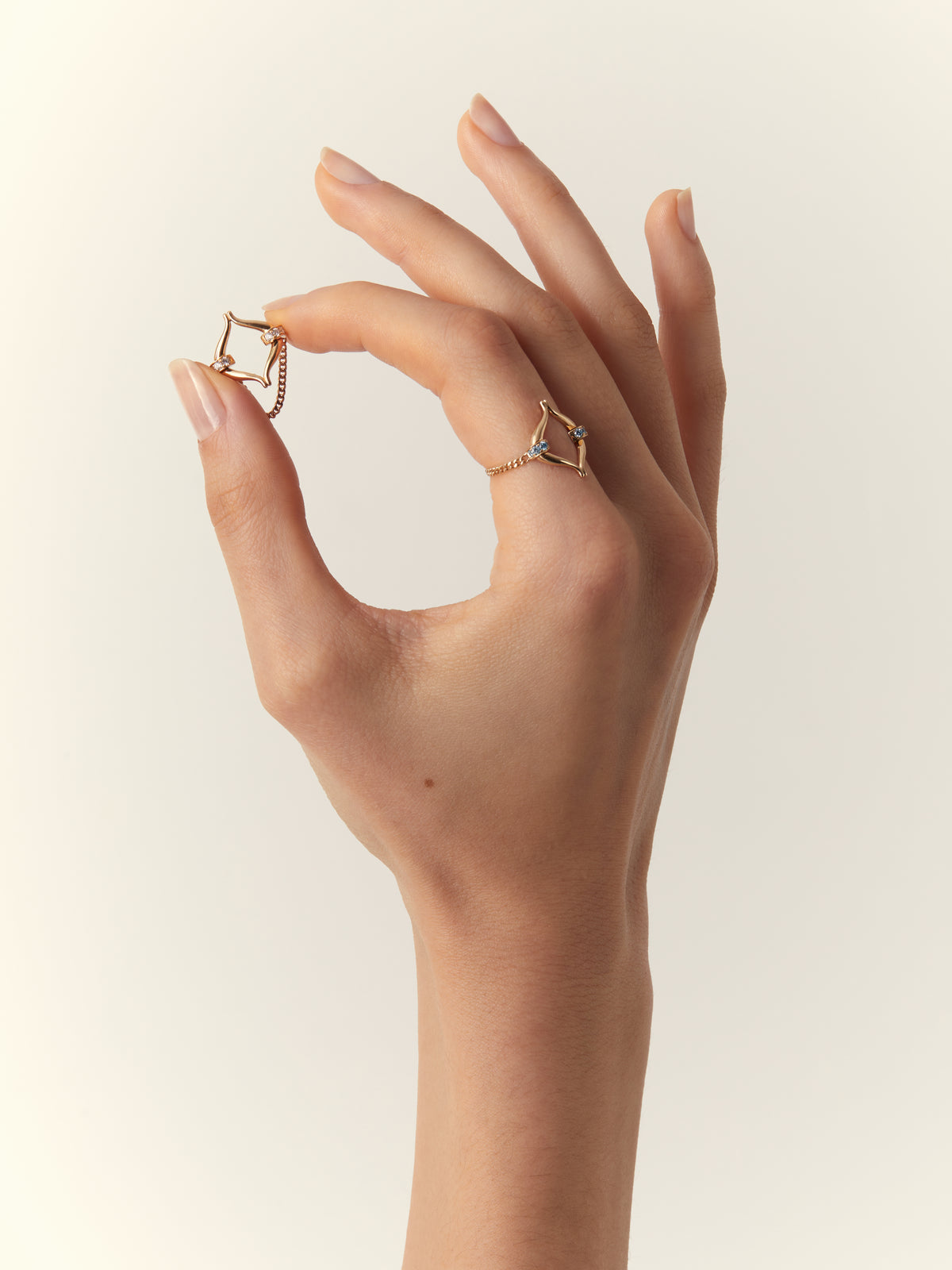
The visual characteristics of blue sapphire
Color: more than just a shade of blue
The blue sapphire is undoubtedly the best-known variety in the world of jewelry and fine jewelry. However, not all blue sapphire presents the same level of quality.
The color of a sapphire plays a major role in the evaluation of this stone. A real sapphire has an intense, homogeneous and luminous blue, with balanced hues. Too uniform a color can sometimes indicate a synthetic sapphire produced by modern laboratory synthesis methods.
A natural sapphire usually has a slight variation of blue throughout the stone, which is indicative of its natural formation. This characteristic contributes to the beauty of a sapphire and often allows you to recognize a real sapphire from imitations.
Transparency and clarity: in search of inclusions
The clarity of a sapphire is also determining. The inclusions present inside a natural sapphire are essential elements in recognizing a real sapphire.
Unlike a synthetic sapphire, whose purity may appear perfect, a real sapphire generally contains small inclusions visible under a magnifying glass. These characteristics are natural evidence of formation in the deposits and reinforce the authenticity of this natural stone.
In most precious stones, too perfect transparency can be suspect. Observing the internal structure of a sapphire therefore remains a reliable method for assessing its quality and authenticity.
The special case of pink sapphire
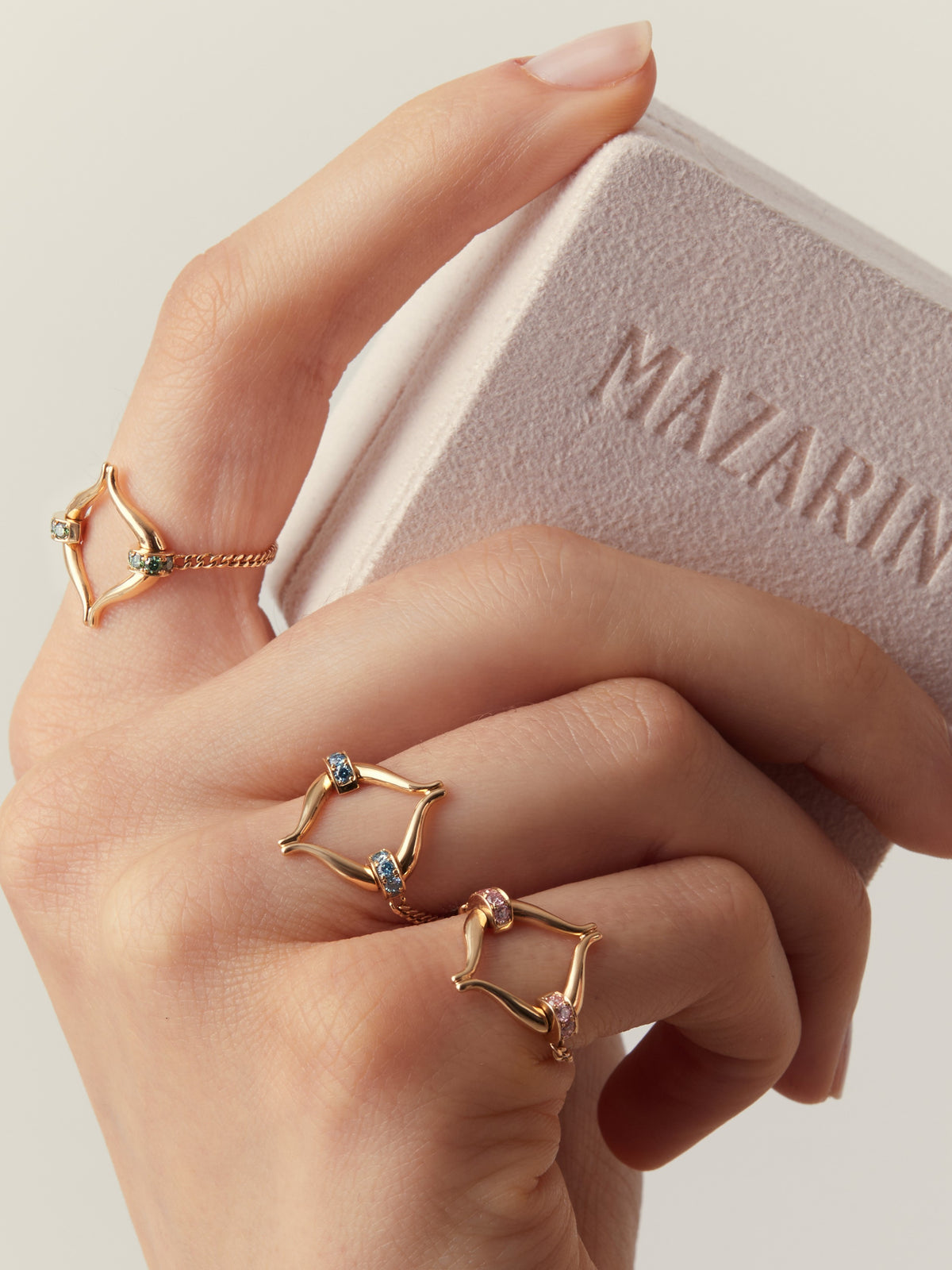
Pink sapphire is highly valued for the softness of its color and its unique beauty. Like blue sapphire, this stone can exist in natural form or be obtained by synthesis in the laboratory.
To recognize a real pink sapphire, you should look at its inclusions and clarity. A stone that is too clear may indicate synthesis. Natural pink sapphires generally have subtle internal impurities, which contribute to their brilliance and authenticity.
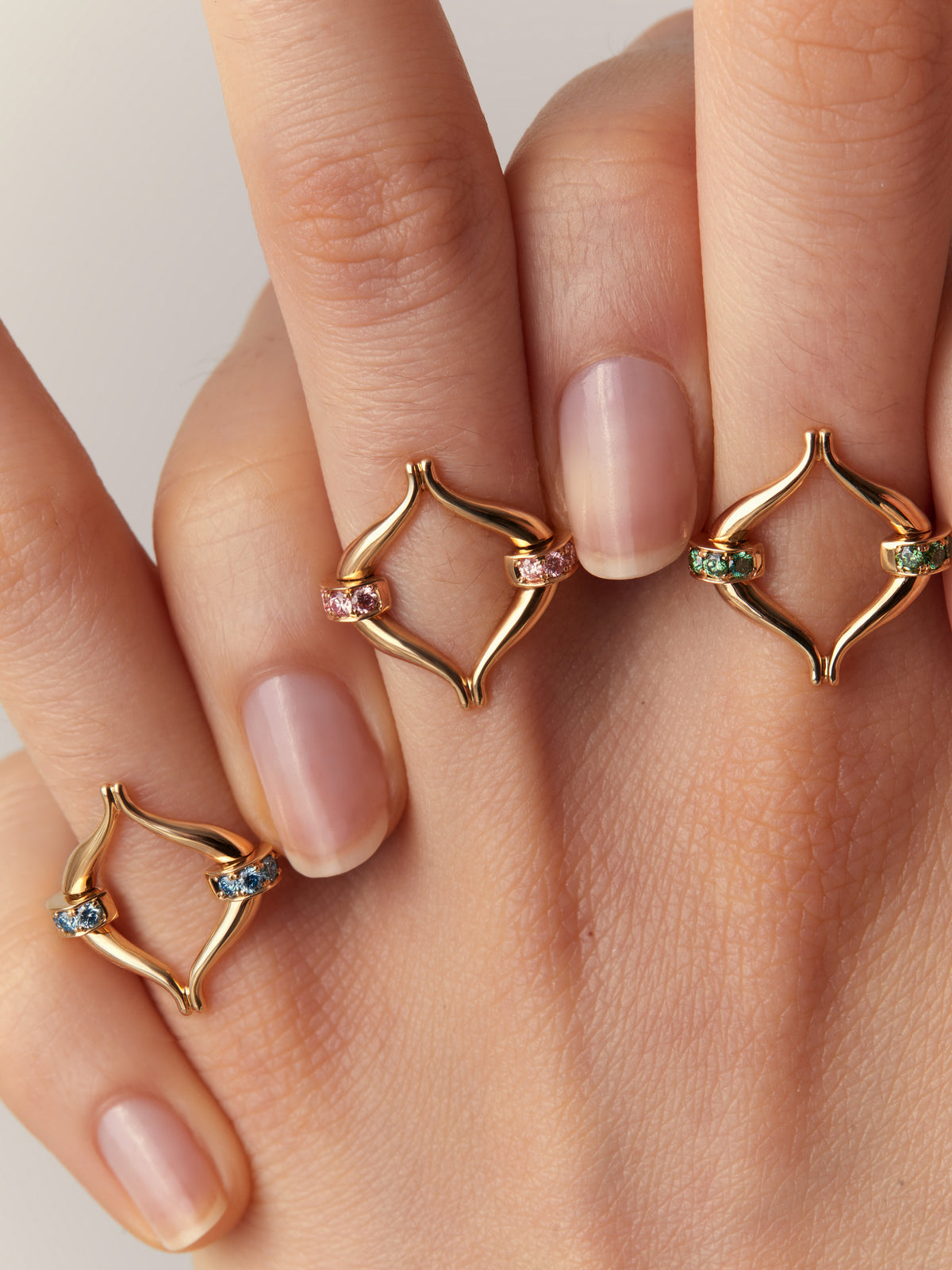
At Mazarin, this gem reveals all its singularity on the Pink Martini Pavé Eboris Link Ring, set with pink sapphires.
Also discover all our rings online, including Riviera Blue Pavé Eboris Link Ring set with blue sapphires.
To recognize a real pink sapphire, you should look at its inclusions and clarity. A stone that is too clear may indicate synthesis. Natural pink sapphires generally have subtle internal impurities, which contribute to their brilliance and authenticity.
At Mazarin, this gem reveals all its singularity on the Pink Martini Pavé Eboris Link Ring, set with pink sapphires.
Also discover all our rings online, including Riviera Blue Pavé Eboris Link Ring set with blue sapphires.
Practical tests to recognize a real sapphire
Several methods allow you to understand how to recognize a natural sapphire and avoid imitations.
The breath and fog test
A simple first test consists of blowing lightly on the surface of a sapphire. On a real sapphire, the fogging disappears almost instantly thanks to the high thermal conductivity of this stone. On the other hand, on an imitation or synthetic sapphire, the fogging persists longer. This quick test can help recognize a real sapphire without specific equipment.Examining air bubbles
Using a flashlight, look inside the stone. If a sapphire contains air bubbles, it is probably glass or a synthetic product. Natural stones do not present this type of anomalies. This test is particularly useful for recognizing a real sapphire compared to imitations on the market.Checking hardness (Mohs Test)
Sapphire has a hardness of 9 on the Mohs scale, which makes it very resistant to scratches. If a sapphire scratches easily, it is likely not a real sapphire. This test allows you to better understand the quality of a sapphire and identify whether it is natural or not.The importance of jewelry expertise and certificate
The most reliable way to recognize a real sapphire remains analysis carried out by a specialized laboratory. A certificate of authenticity attests to the natural origin of the stone and identifies possible treatments.
Jewelry expertise takes into account the purity, structure and color of a sapphire in order to assess its overall quality. In the world of precious stones, these criteria directly influence the value of this gem.
Thanks to this article, you now know how to recognize a real sapphire and distinguish this natural stone from imitations in order to fully appreciate its brilliance.
Jewelry expertise takes into account the purity, structure and color of a sapphire in order to assess its overall quality. In the world of precious stones, these criteria directly influence the value of this gem.
Thanks to this article, you now know how to recognize a real sapphire and distinguish this natural stone from imitations in order to fully appreciate its brilliance.